Are you always feeling fatigued, putting on pounds without reason, suffering from mood swings, or having issues with your menstrual cycle? Your hormones may be causing these problems. They act as messengers in your body, and a slight imbalance in their levels can lead to various symptoms, including low energy levels, poor metabolism, bad sleep, mood changes, and issues with your reproductive system.
Luckily, hormone testing has evolved significantly in recent years. You now have access to multiple testing methods, each more appropriate for specific purposes. This guide will help you learn about the most common types of hormone tests, what they cover, and how to determine the best test for your case.
Why Hormone Testing Matters
Hormones are involved in almost all the functions of the body; for instance, metabolism, growth, response to stress, reproduction, and more. Hormonal imbalance may present itself in many ways that are easy to overlook, such as stress or getting old. Hormone testing is one way to eliminate guesswork by providing facts instead of theories.
Common reasons people get tested include:
- Unexplained fatigue or weight changes
- Irregular or painful periods
- Trouble conceiving
- Low libido
- Mood swings, anxiety, or depression
- Symptoms of menopause or andropause
- Thyroid concerns like hair loss or feeling cold all the time
- Monitoring hormone replacement therapy (HRT)
Main Types of Hormone Testing
1. Blood Tests (Serum Hormone Testing)
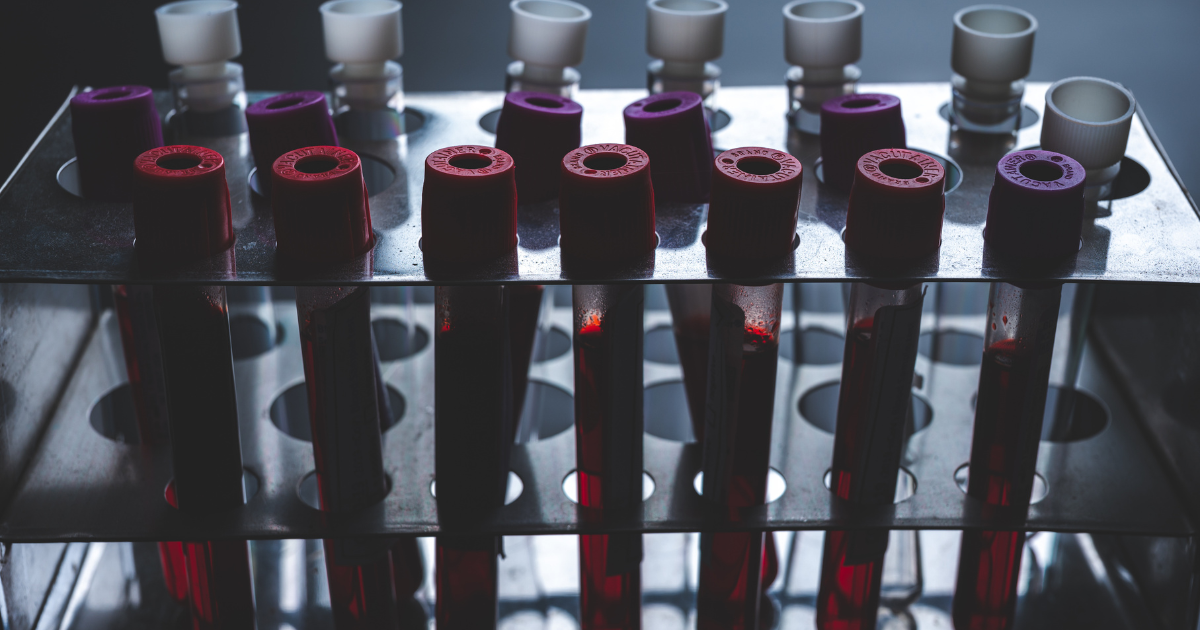
Blood tests are the most widely used and reliable way to evaluate hormonal imbalance. A small blood sample is taken from your vein and sent to the laboratory to measure certain hormones.
Hormones measured: Thyroid hormones (TSH, T3, T4), reproductive hormones (estrogen, progesterone, testosterone, FSH, LH), cortisol, insulin, growth hormone, and others.
Ideal for: Basic testing, thyroid disease diagnosis, evaluating fertility, and monitoring conditions such as PCOS and diabetes.
Important information: Hormone levels may vary during the day and menstrual cycle. Therefore, the test should be done at certain times of the day or month. For instance, testosterone levels are tested in the morning, and progesterone – one week after ovulation.
2. Saliva Testing
Salivary analysis evaluates “free” or non-protein-bound hormones that are available for use by the body, unlike the hormone testing from the bloodstream, where the hormones are protein-bound.
Hormones measured: Cortisol (this is best for daily assessment of the levels), estrogen, progesterone, and testosterone.
Good for: Adrenal assessment and cortisol rhythm, as well as monitoring hormone replacement therapy in some instances.
Additional info: It is non-invasive and can be done at home, although the results may be altered by factors such as oral hygiene, meals, and time of sampling. It is usually done in combination with blood tests.
3. Urine Testing
There have been numerous instances of urine hormone testing, with the most common being DUTCH hormone testing (Dried Urine Test for Comprehensive Hormones). This kind of testing is done to better understand the levels of various hormones in the body as well as their metabolism.
What does it measure: Levels of estrogen, progesterone, testosterone, cortisol, and metabolites either taken at 24-hour intervals or dried urine samples throughout the day.
Who is it best for: People who wish to understand more about the metabolism of their hormones.
4. At-Home Hormone Test Kits
Hormone test kits allow for easier hormone testing than ever before. This generally consists of a finger-prick blood sample or a saliva sample that is collected at home and mailed to a laboratory.
What it tests for: This varies depending on the brand, but frequently includes thyroid panels, fertility hormones, testosterone, and menopause hormones.
Who it is best for: Individuals looking for a quick solution or for monitoring purposes without regular trips to the physician’s office.
Points to consider: Although convenient, hormone test kits should be confirmed via a doctor’s examination.
Specific Hormone Panels You Might Be Offered
Apart from the screening test itself, your doctor might recommend certain hormone panels based on the symptoms you have:
- Thyroid panel: This involves checking the levels of TSH, Free T3, Free T4, and sometimes even thyroid autoantibodies.
- Female hormone panel: This is concerned with measuring estrogen, progesterone, FSH, LH, and sometimes AMH.
- Male hormone panel: This involves measuring the levels of total and free testosterone as well as FSH and LH.
- Adrenal panel: This tests the levels of cortisol and DHEA.
- Insulin and metabolic panel: This tests the levels of insulin and other hormones related to blood sugar regulation.
How to Choose the Right Hormone Test
The type of test will depend mainly on your symptoms and health goals. Blood tests are generally the best first tests that one can take since they are scientifically validated and are commonly used by medical professionals. However, saliva or urine tests might also be taken if more detailed information about your cortisol rhythm or hormone metabolism is needed. At-home kits can help you test generally, but not in case of suspicious symptoms.
The most accurate way is to see a professional who can help you pick the right test according to your health problems and symptoms.
Preparing for Your Hormone Test
A few simple steps can help ensure accurate results:
- Follow any fasting instructions if required (common for insulin and metabolic panels)
- Test at the right time of day or cycle phase, as advised
- Avoid strenuous exercise right before blood draws
- Inform your doctor about any medications or supplements you’re taking, since these can affect results
Final Thoughts
Hormone tests are not confined to individuals suffering from symptoms, but they are useful for everyone in need of gaining better insights into their health status. Regardless of whether the test is performed with the help of a blood sample or a complete panel analysis of urine, knowledge about your hormone levels will allow you and your physician to take further steps.
If you suffer from symptoms that do not seem to be explained by anything, consider taking a hormone test.
Frequently Asked Questions
1. How do I know which hormone test I need?
It depends on what your symptoms are. Fatigue and weight changes suggest that you should go for thyroid testing, while having irregular periods indicates that you need a female hormone panel. Consult your doctor for more information.
2. Are at-home hormone tests as accurate as lab tests?
At-home tests may provide fairly accurate results when it comes to screening, but not all tests provide results as complete as those of clinical laboratory testing. If your results are abnormal, consult your doctor.
3. Do I need to fast before a hormone test?
It depends on the type of test. Insulin and metabolic panels always require fasting, but most of the reproductive hormone tests do not.
4. When is the best time to test female hormones?
It also depends on the hormone being measured. Testing for progesterone is usually done around one week following ovulation, while testing for FSH and estrogen is usually done early in the menstrual cycle.
5. Can stress affect hormone test results?
Yes, since stress can elevate cortisol levels, which in turn may have an effect on other hormones, such as the thyroid and reproductive hormones.
6. How often should I get my hormones tested?
This varies by individual. People with diagnosed conditions or on hormone therapy may need testing every few months, while others may only need it when symptoms arise.