
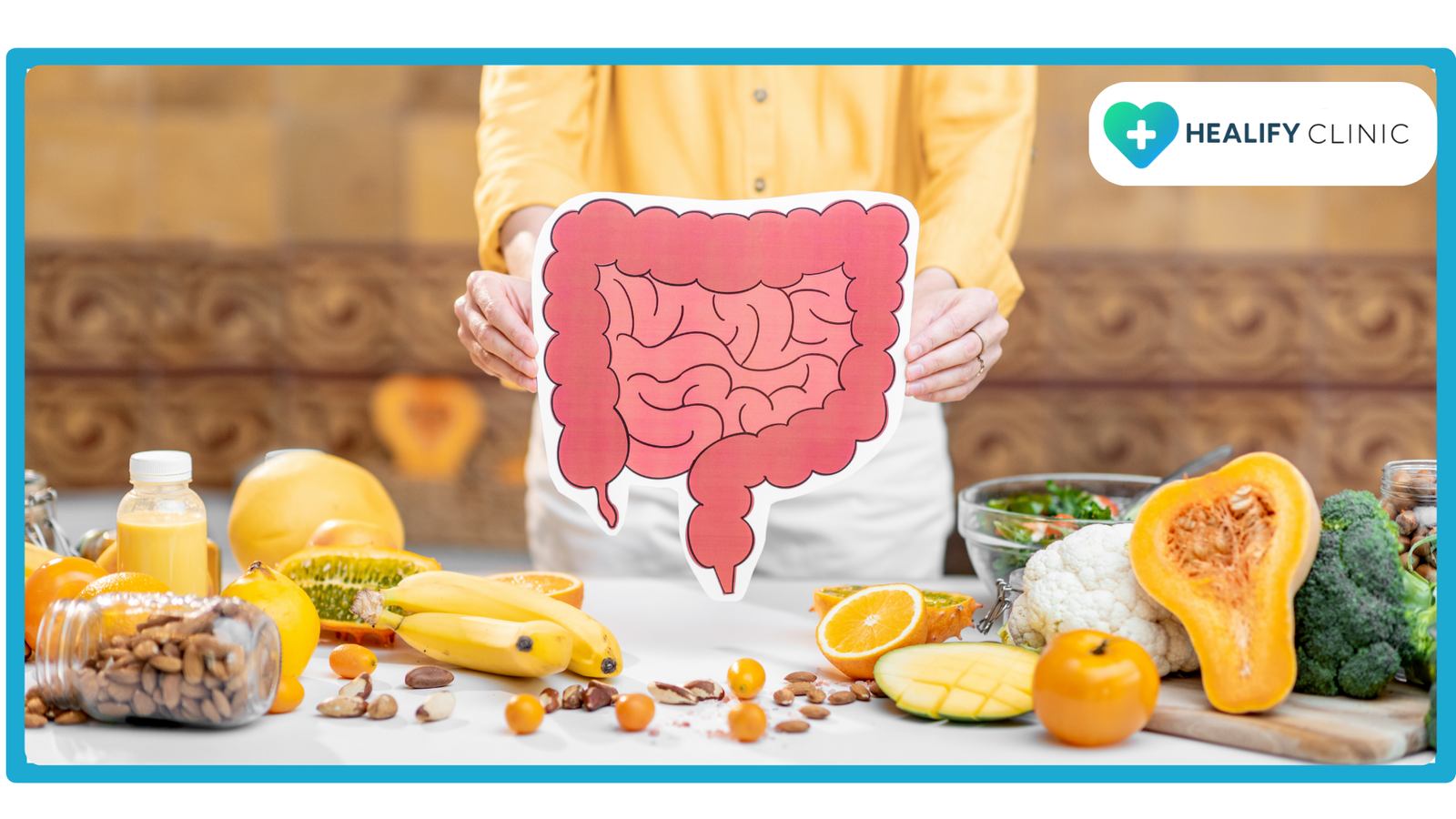
What Is the Gut Biome?
Your gut biome is a diverse community of good and bad bacteria that live in your digestive system. Their functions include:
- Digesting food efficiently
- Generating energy from nutrients
- Helping maintain immunity
- Influencing mood and weight control
A greater balance of good bacteria leads to better health and energy. Increased numbers of bad bacteria can disrupt digestion and raise disease risk.
Why Daily Gut Health Matters
Every day, what you eat, your stress levels, and your sleep habits affect the health of your gut. A healthy gut means:
- Efficient digestion
- Strong immunity
- Healthier, clearer skin
- Improved mood
- Stable weight
A “happy” gut means your entire system can function optimally.
Simple Ways to Keep Your Gut Healthy
- Eat More Fiber
Fiber is the preferred food of your gut bacteria. Great fiber sources include:
- Fruits (apples, bananas, papayas)
- Veggies (spinach, squash)
- Beans and lentils
- Whole grains
Make a habit of eating fiber-rich foods daily to keep your gut strong.
- Add Probiotic Foods
Probiotics introduce helpful bacteria to your gut. In the U.S., common probiotic foods are:
- Yogurt (low-sugar, live cultures)
- Kefir
- Kimchi, sauerkraut
- Miso, tempeh
Try to enjoy a serving of probiotic-rich foods each day for better digestion.
- Eat Prebiotic Foods
Prebiotics are foods that feed the good bacteria in your gut:
- Bananas
- Garlic and onions
- Oats
- Apples
- Flax seeds
Incorporate these regularly so your gut bacteria remain active.
- Drink Plenty of Water
Water is a natural cleanser, aiding digestion and flushing out toxins. Aim for enough water daily—skip sodas and sugary drinks.
- Move Your Body
Physical activity boosts your gut health. Even simple exercises work:
- A 15-minute walk after meals
- Gentle yoga or stretching
No need for a gym; consistent movement helps digestion.
- Prioritize Sleep
Good sleep can “reset” your gut. Rest 7–8 hours a night and keep screens off before bed.
- Manage Stress
Chronic stress harms good bacteria, slows digestion, and increases cravings. Effective stress-busters include:
- 10 minutes of deep breathing
- Meditation or music
- Nature walks
Habits Harmful to Your Gut
- Too much sugar and junk food suppresses good bacteria
- Overuse of antibiotics kills beneficial bacteria; use only with a doctor’s advice
- Skipping breakfast deprives gut bacteria of food and weakens digestion
- Excess coffee/alcohol can dehydrate and reduce good bacteria
- Irregular sleep disrupts gut balance
The Importance of a Healthy Gut
- Better digestion (less bloating, gas, constipation)
- Stronger immunity (70% of your immune system is in your gut)
- Clear, glowing skin (balanced gut reduces skin problems)
- Stable mood (gut bacteria help produce “happy hormones”)
Scientific Gut Health Programs (U.S. Version)
Sometimes, natural habits aren’t enough to heal your gut. If your issues persist, consider expert help such as Healify Clinic programs, tailored for Americans:
- Flore Gut Biome – Basic Plan: Personalized microbiome test plus three months of custom probiotics based on your results.
- Flora Gut Biome – GI SereniT Standard: Test for bacteria and gut lining health, three months of custom probiotics, and two months of custom prebiotics.
- Flore Gut Biome – GI SereniT Preferred: Two gut tests (before and after) to track progress, five months of probiotics, four months of prebiotics for more serious issues.
- Free Consultation: Not sure what’s best? Get professional advice matched to your needs at no extra charge.
Conclusion
Your gut health depends on your everyday choices—healthy eating, good sleep, and low stress make all the difference. Start today with simple steps:
- Fill your plate with different veggies
- Drink more water
- Move often
- Smile as much as you can
If your gut issues seem serious, consult experts at Healify Clinic so you can start your gut health journey—scientifically and safely.