
Do you have any idea about the new weight loss medications trending across social media? GLP-1(Glucagon-like Peptide-1) and GIP(Glucose-dependent Insulinotropic Polypeptide) medications such as Mounjaro (tirzepatide), Zepbound (tirzepatide) and Ozempic (semaglutide) have gained widespread attention in recent years.
Let’s see how Mounjaro, Ozemptic and Zepbound work highlighting key differences between them with Healify Clinic. This article will also cover their FDA approvals, potential side effects and typical costs.
Key Takeaways
- Zepbound and Mounjaro contain tirzepatide as the active ingredient. Both medications are FDA approved. Zepbound is approved for chronic weight management, including obesity and obstructive sleep apnea, while Mounjaro is approved for treating type 2 diabetes.
- Ozempic contains semaglutide as the active ingredient and is FDA approved for the treatment of type 2 diabetes and chronic kidney disease.
- Clinical studies have shown that tirzepatide may lead to more weight loss as the active ingredient in Zepbound and Mounjaro, compared to semaglutide in Ozempic. The cost of these medications can vary depending on insurance coverage and whether cash pay options are available for patients paying out of pocket.
What is Zepbound?
Zepbound is an injectable medication approved by the FDA for the treatment of obesity in adults.This medication is also approved for managing obstructive sleep apnea (OSA) in adults who have obesity. It is developed by the pharmaceutical company Eli Lilly and contains the active ingredient tirzepatide.
Tirzepatide belongs to a class of medications known as dual glucose-dependent insulinotropic polypeptide (GIP) and glucagon-like peptide-1 (GLP-1) receptor agonists.
Tirzepatide helps regulate blood sugar levels and food intake in several ways by activating both GIP and GLP-1 receptors. Stimulating the pancreas to release insulin when blood sugar levels rise is one of those pathways that tirzepatide takes place to regulate blood sugar levels. Other methods are reducing the release of glucagon which helps lower blood glucose levels, slowing stomach emptying which supports appetite control and reduces food intake, and promotes a feeling of fullness after meals.
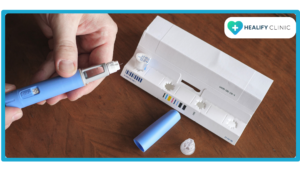
Zepbound is available as a pre-filled injection pen with a built-in needle. It is injected just under the skin once per week as it is administered as a subcutaneous injection.
What is Mounjaro?
Mounjaro is another medication with tirzepatide as the active ingredient, the same as in Zepbound. This was approved by the FDA in May 2022 for the treatment of type 2 diabetes, whereas Zepbound is approved for chronic weight management.
This is also manufactured by the pharmaceutical company Eli Lilly and belongs to the dual GIP and GLP-1 receptor agonist class of medications.
The medication is administered as a once weekly injection and works similarly to Zepbound. It helps regulate insulin release from the pancreas and slows down the rate at which food leaves the stomach. These effects can increase feelings of fullness and help reduce food intake.
Clinical studies have been shown that higher doses of tirzepatide influence body weight. Mounjaro is officially indicated for diabetes management rather than weight loss. This means weight loss may occur as a side effect of Mounjaro. But, prescribing it specifically for weight loss is considered an off-label use.
What is Ozempic?
Ozempic includes semaglutide as the active ingredient and it is an injectable medication developed by Novo Nordisk. It is approved by the FDA to help manage blood sugar levels in people with type 2 diabetes. It also received approval for treating chronic kidney disease in patients with diabetes in 2025.
Semaglutide belongs to a class of medications known as glucagon-like peptide-1 (GLP-1) receptor agonists. This makes it slightly different from Mounjaro and Zepbound, which have effect on both GLP-1 and GIP receptors.
GLP-1 is a hormone naturally produced in the intestines and GLP-1 medications work by mimicking the effects of that hormone. This hormone signals the pancreas to release insulin after eating which helps lower blood sugar levels. Insulin allows glucose in the bloodstream to enter the cells of your body where it can be used for energy or stored for later use. GLP-1 helps maintain stable glucose levels after meals by supporting insulin release when blood sugar levels rise.
Glucagon is another hormone that is produced by the pancreas and GLP-1 also reduces the release of glucagon. Glucagon increases blood sugar levels by prompting the liver to release stored glucose into the bloodstream. GLP-1 helps prevent excessive glucose from entering the blood by limiting glucagon release, which could otherwise lead to high blood sugar levels.
Medications such as Ozempic, Zepbound, and Mounjaro slow the emptying of the stomach. This helps regulate how quickly carbohydrates from food enter the bloodstream, reducing sudden spikes in blood sugar after meals.
Beyond blood sugar control, Ozempic offers additional health benefits. It can help reduce the risk of major cardiovascular events such as heart attack and stroke in adults with type 2 diabetes and heart disease. It has also been shown to lower the risk of serious kidney complications in diabetic patients with chronic kidney disease. Ozempic is available in several dosage strengths and is typically administered as a once-weekly injection.
What is the difference between Zepbound, Mounjaro and Ozempic?
Tirzepatide is the active ingredient of both Mounjaro and Zepbound. They are approved for different purposes. Mounjaro is FDA-approved for the treatment of type 2 diabetes and Zepbound is approved for chronic weight management.
Ozempic contains semaglutide as the active ingredient. It belongs to the GLP-1 receptor agonist class of medications, whereas Mounjaro and Zepbound are classified as dual GIP and GLP-1 receptor agonists.
Clinical trials comparing semaglutide and tirzepatide have shown that tirzepatide may lead to greater weight loss. Individuals using the highest doses of tirzepatide lost approximately 12 pounds (about 5.5 kg) more than those taking semaglutide.
Who are these medications recommended for?
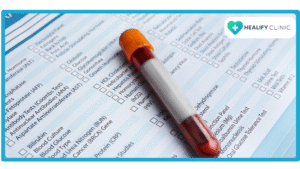
The effectiveness of these medications has been proved by strong clinical evidence. But, they can still cause side effects and carry certain risks. You should use them under a physician’s supervision with routine blood tests to monitor how the body responds over time because of these side effects.
Doctors typically prescribe medications such as Zepbound, Mounjaro, or Ozempic only for individuals with a body mass index (BMI) of 30 or higher. They may also be prescribed for people with a BMI of 27 or higher if they have weight related health conditions such as high blood pressure, heart disease, type 2 diabetes, prediabetes, high cholesterol, non-alcoholic fatty liver disease, obstructive sleep apnea, or polycystic ovary syndrome (PCOS) in some cases.
These medications may not be suitable if you have certain medical conditions including a history of pancreatitis, a personal or family history of certain thyroid cancers and slow digestive function.
Some research suggests that GLP-1 medications may be linked to an increased risk of pancreatitis and possibly pancreatic cancer. Both tirzepatide and semaglutide carry an FDA boxed warning due to a rare but serious risk of thyroid tumors. GLP-1 medications slow stomach emptying and gastrointestinal movement which helps increase feelings of fullness. This effect may raise the risk of digestive issues such as bowel obstruction or gastroparesis in some individuals.
You should have a detailed discussion with your healthcare provider before starting any weight loss medication. Your doctor should review your full medical history, including allergies, existing conditions, and any medications or supplements you are currently taking. You must inform your doctor if you are pregnant, breastfeeding, or planning to become pregnant.
What is the Cost Difference Between Zepbound, Ozempic and Mounjaro?
The monthly cost of these medications can vary depending on insurance coverage and available payment options.
Ozempic costs between $850 and $1,000 per month without insurance. You may be able to obtain it at a reduced cash price of about $349 per month through Novo Nordisk’s direct-to-consumer online pharmacy.
Zepbound injection pens cost around $1,060 per month before insurance. Eli Lilly also produces Zepbound in vial form which contains the same active ingredient but is administered differently. These vials are available only to self pay patients through Lilly’s direct-to-consumer pharmacy and are not covered by insurance. A one month supply of 2.5 mg Zepbound vials costs about $349, while 5 mg to 15 mg doses are priced around $499 per month.
Mounjaro costs between $1,020 and $1,200 per month without insurance. Eli Lilly does not offer a lower cash-pay option for Mounjaro at the moment.
Healthcare providers can help you review medication options and compare pricing. They may also assist with insurance prior authorization requests and guide patients toward manufacturer savings programs or coupons that can help reduce medication costs.
How Healify Clinic Help?
Healify Clinic provides an affordable and comprehensive online telehealth care to support you on your weight management journey. You can book your appointment online and consult a licensed doctor that provides video consultation with weight management. The website also provides access to weight loss medication prescriptions when appropriate, unlimited messaging with your provider, ongoing guidance, and additional support throughout your journey.
Maintaining a healthy weight can offer many health benefits, such as a reduced risk of heart disease, improved mobility, better sleep, and enhanced overall well-being. Healify Clinic can help you to take the first step if you are considering weight management support. Keep in mind that any medication prescription is determined solely by your healthcare provider.